Source Compact Lightweight Multitool for Hotel, Construction, Travel
Explore 30 verified listings for a compact lightweight multitool suitable for hotel, construction, and travel applications. Buyers can compare specifications, pricing, and customization options from suppliers in China to find the right equipment for their needs.
Key considerations
Products List


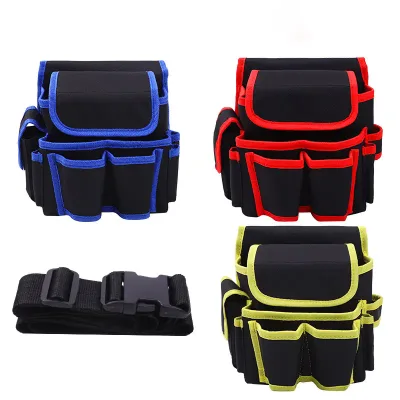


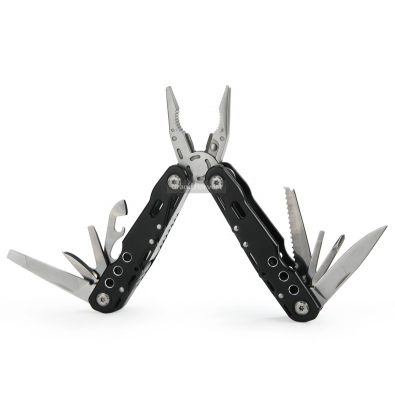

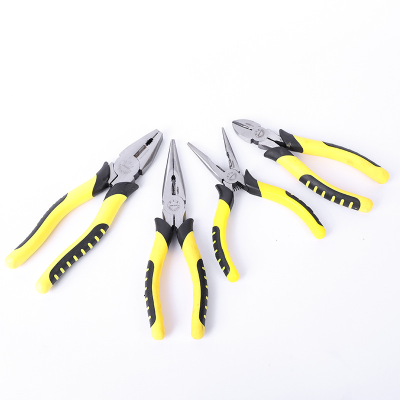


Comprehensive Sourcing Guide
Compact Lightweight Multitool Sourcing Guide
Sourcing compact multitools requires a nuanced understanding of the diverse product landscape, as the term encompasses everything from precision hydraulic cutting instruments to portable travel accessories. The market data reveals a significant variance in product definitions, with some listings identifying "cutting tools" for construction and industrial use, while others describe "leisure" style bags with multi-functional compartments. Buyers must first clarify whether the procurement need is for mechanical hardware, such as automatic-grade hydraulic cutters, or for consumer goods like waterproof travel bags. This distinction is critical because the technical specifications, compliance requirements, and supplier qualifications for a hydraulic tool differ entirely from those for a polyester travel accessory.
The observed product range highlights the importance of precise keyword alignment in supplier communications. While the core search term suggests a handheld mechanical device, the available data includes items with models like N0160K16 and J13, which are described with attributes ranging from "hydraulic cutting tools" to "double wheel" luggage. This discrepancy indicates that many suppliers may use broad categorization tags to capture diverse traffic. Procurement teams must therefore verify the exact nature of the product before initiating negotiations, ensuring that the "compact" and "lightweight" attributes align with the specific functional requirements of the end-use application, whether that be cabinet installation, construction site efficiency, or casual travel.
Product Scope and Observed Listing Signals
The current market signals indicate a high degree of customization availability, with suppliers explicitly welcoming OEM and ODM requests. This suggests that the base products are likely modular or adaptable, allowing buyers to tailor features such as voltage, size, or material composition to specific brand requirements. For instance, one observed product line offers customized voltage and standard dimensions, while another provides specific finishes like Nb/Cp/Sc/Mc/Oxidize for aluminum alloy components. Buyers should leverage this flexibility to negotiate unique specifications, particularly if they require branded packaging or specific dimensional tolerances that differ from the standard export packaging norms.
However, the diversity in observed attributes also presents a risk of misalignment if not carefully managed. The data shows products with varying usage profiles, including hotel and restaurant settings, construction sites, and daily casual use. A product marketed as a "cutting tool" for construction may share a supplier platform with "leisure" style bags, creating confusion in the catalog. Procurement specialists must scrutinize the product model numbers and detailed descriptions to ensure that the "compact" form factor does not compromise the structural integrity required for heavy-duty applications. Verifying the actual material composition, such as aluminum alloy versus polyester, is essential to confirm that the product meets the durability expectations associated with the term "multitool."
Technical Specifications to Verify
Technical verification must begin with the physical dimensions and weight, as these are the primary determinants of "compactness" and "lightweight" performance. Buyers should request detailed technical drawings or datasheets that specify the exact length, width, and height, as well as the net weight of the unit. For mechanical tools, the hole distance, width, and height are critical for installation compatibility, particularly if the tool is intended for use in cabinets, drawers, or wardrobes. In the case of the observed aluminum alloy products, verifying the finish and rotary mechanism type, such as fixed rotary, ensures that the tool will function correctly within the intended mechanical assembly without premature wear or failure.
Material composition and operational grade are equally vital technical parameters that require strict verification. The observed data mentions "automatic grade" for certain cutting tools, implying a mechanized or powered operation rather than manual effort. Buyers must confirm the voltage requirements and power source compatibility, especially since customized voltage options are available. For non-mechanical multitools, such as those with zipper closures and waterproof features, the inside material composition, such as polyester, and the wheel type, if applicable, must be assessed for longevity and ease of use. Ensuring that the material specifications match the environmental conditions of the end-use, whether it be a humid hotel environment or a dusty construction site, is crucial for long-term performance.
Compliance and Safety Documentation
Compliance documentation varies significantly depending on the specific type of multitool being procured. For mechanical and hydraulic tools, buyers should request evidence of adherence to relevant industrial safety standards, such as ISO certifications, which were noted in some observed listings. These certifications provide assurance that the manufacturing processes meet international quality and safety benchmarks. However, buyers must verify that the certification is current and applicable to the specific product model, as standards can vary between different types of machinery and components. It is also important to confirm whether the supplier provides test reports for load-bearing capacity, cutting force, or electrical safety, depending on the tool's function.
For consumer-oriented multitools, such as travel bags or leisure accessories, compliance may focus on material safety and environmental regulations. Buyers should inquire about the presence of hazardous substances restrictions, such as REACH or RoHS, particularly if the product contains plastics, zippers, or metal alloys. The observed "waterproof" and "multi-functional" claims should be backed by relevant testing data to ensure that the product performs as advertised in real-world conditions. Additionally, if the product is intended for export to specific regions, buyers must verify that it meets local labeling and packaging requirements, including the standard export packaging norms observed in the market data.
Cost Drivers and Commercial Terms
Cost structures for compact multitools are influenced by material choices, customization levels, and order volumes. The observed price range is broad, reflecting the diversity from simple accessories to complex hydraulic tools. Buyers should analyze the cost breakdown to understand how factors such as aluminum alloy content, automatic grade mechanisms, or specialized finishes like oxidation contribute to the final price. Customization requests, such as OEM branding or specific voltage configurations, may incur additional tooling or setup fees, which should be negotiated upfront. Understanding these cost drivers allows buyers to make informed trade-offs between feature richness and budget constraints.
Commercial terms and payment conditions also play a significant role in the total cost of ownership. The observed data indicates common terms such as FOB pricing, T/T payment methods, and specific MOQs ranging from 5 to 3000 units. Buyers should negotiate lead times, which vary from 7-10 days for samples to 45-60 days for production, to align with their supply chain schedules. It is advisable to clarify the port of loading and any associated logistics costs, as these can impact the landed cost of the product. Establishing clear terms for sample approval and mass production quality checks can help mitigate financial risks associated with delayed deliveries or non-conforming goods.
Supplier Qualification and Quality Control
Supplier qualification should focus on their manufacturing capabilities and quality management systems. Buyers should verify the supplier's location, such as Foshan, Guangdong, China, and assess their production capacity to ensure they can meet the required order volumes within the specified lead times. Requesting factory audits or third-party inspection reports can provide insights into the supplier's adherence to quality standards and their ability to maintain consistent product quality. For suppliers offering OEM/ODM services, it is important to evaluate their design and engineering support capabilities to ensure they can deliver customized solutions that meet specific technical requirements.
Quality control processes must be clearly defined and agreed upon before production begins. Buyers should establish a detailed quality inspection plan that includes pre-production sample approval, in-process quality checks, and final random inspection before shipment. The observed "standard export packaging" should be verified to ensure that it protects the product during transit, especially for items with delicate components or specific finishes. Implementing a clear protocol for handling defects or non-conforming products, including return policies and replacement procedures, is essential to maintain supply chain reliability and protect the buyer's brand reputation.
Long-Term Procurement Checks
Long-term procurement success depends on continuous monitoring of supplier performance and product reliability. Buyers should establish key performance indicators (KPIs) such as on-time delivery rate, defect rate, and responsiveness to issues. Regular reviews of these metrics can help identify potential supply chain risks and drive continuous improvement. Additionally, staying informed about changes in industry standards, material costs, and technological advancements can help buyers anticipate market shifts and adjust their sourcing strategies accordingly. Building a strong relationship with the supplier through open communication and collaborative problem-solving can lead to better pricing, priority production, and innovative product developments.
Finally, buyers should regularly reassess the product's market fit and customer feedback to ensure it continues to meet end-user needs. As technology and consumer preferences evolve, the requirements for "compact" and "lightweight" multitools may change, necessitating periodic updates to product specifications. Engaging with end-users to gather insights on product performance and usability can provide valuable data for future procurement decisions. By maintaining a proactive approach to supplier management and product evaluation, buyers can ensure a resilient and efficient supply chain that supports their business objectives in the long run.
FAQs
Can I customize the compact lightweight multitool specifications?
Yes, customization is available for this product line. The standard allows for customized dimensions and features to meet specific buyer requirements. This flexibility supports unique project needs while maintaining quality standards.
What is the typical delivery time for these tools?
The standard delivery time ranges from 20 to 30 days for production. Sample lead times are shorter, typically taking 7 to 10 days. Production lead times for larger orders may extend to 45 to 60 days depending on volume.
Which materials are used for the compact lightweight multitool?
Aluminium Alloy is a confirmed material used in the construction of these tools. This material choice ensures durability while maintaining a lightweight profile suitable for various applications including travel and daily use scenarios.
What is the minimum order quantity for this product?
The minimum order quantity varies by product type, with observed values starting at 5 units. Some specific models require a minimum of 500 pieces. Buyers should verify the specific MOQ for their selected model before placing an order.
How is the product packaged for export?
Standard export packaging is used to ensure safe transit. Specific items may be packed in plastic boxes or polybags with dimensions like 60x50x20cm. This packaging protects the product during shipping to international destinations.
Where are these tools manufactured?
The products originate from Foshan, Guangdong, China. This location serves as the primary place of origin for the manufacturing process. Buyers can expect goods to be sourced directly from this established industrial region.
What certifications does the product hold?
ISO certification is available for the product line. This indicates adherence to international quality management standards. Buyers seeking certified suppliers should verify specific documentation during the sourcing process.